
Flint Township Resident Lookup Coverage
No single official file lists every Flint Township resident. The right record depends on the question you bring. A parcel card shows the recorded owner and the tax-mailing address. A voter record answers a registration question. A court docket traces a party's dated case activity. Vital, probate, license, and business records each serve their own purpose. Treat any one result as a lead to test, not a full identity profile.
| Record | What It Confirms | Where | Access |
|---|---|---|---|
| Assessment parcel card | Recorded owner, parcel, situs and tax-mailing address | Flint Township BS&A | Public web search; card fields partly JavaScript-gated |
| Voter registration | Permitted registration and address information | Michigan MVIC or QVF request | Public-record route with sensitive fields withheld |
| Court index | Party role, case number, dates, and public events | MiCOURT and local clerks | Informational public search; exclusions apply |
| Vital record route | Death, marriage, divorce, or eligible birth facts | MDHHS Vital Records | Application and eligibility rules vary |
| Probate file | Estate, personal representative, and permitted heir details | Genesee Probate Court | MiCOURT or court request; documents can be restricted |
| License or entity filing | Public credential or filing relationship | Michigan LARA | Search access varies by record and order type |
Choose the property route when the question is who owns a parcel. Choose the voter route only for permitted registration evidence. A deed records a transaction, not every person who lived in a home. For a current Flint Township property check, BS&A Online lets you search by address, owner name, or parcel number. Its owner mailing address may simply be a tax correspondence address, so it does not prove where the owner actually lives.
Flint Township Resident Name Questions
State the fact plainly before you begin. Recorded owner, registered voter, court party, decedent, heir, license holder, or business affiliate: each points to a different custodian. Naming it up front keeps a broad name search from being mistaken for a result. Flint Township assessment records are local. Recorded instruments sit with Genesee County. Statewide voter, vital, court, and LARA systems each carry their own limits.
Common names need extra care. Test middle names, initials, maiden or married names, suffixes, spelling variants, and any known address. A matching surname alone proves little. A shared address plus a spouse, parent, legal description, or dated record is far stronger. Even then, compare dates carefully. A parcel owner, a voter registration, and a court filing can capture different moments in one person's life.
MVIC is narrower than the Qualified Voter File request route. The everyday tool ties a residential address to registration and election information. A QVF request can select one formal geographic scope, such as a township or precinct. Both routes keep listed sensitive fields out of public release.
Flint Township MiCOURT Record Search
MiCOURT case search is the statewide public entry point for court records. It covers matters tied to Flint Township. It is informational, not the official court record. Michigan's notice also warns that some courts display criminal convictions only within seven years. Juvenile, adoption, sealed, expunged, and other protected matters stay out of view. So never read a blank result as proof either way. Genesee matters may need confirmation elsewhere. Check the 67th District Court, the 7th Circuit Legal Records Division, or Probate Court.
| MiCOURT field | Use for a careful match |
|---|---|
| Court | Select the relevant court or county when a targeted option is available. |
| Party last and first name | Use both when known; live wildcard rules were not verified. |
| Case number | Use as the alternative when the number is known. |
| Case type | Known broad categories include civil, traffic, criminal, domestic or divorce, and probate. |
| Filing or hearing date | Use a date or range to separate similar names when the portal permits it. |
A public result can list the court, case number, case type, filing date, party names and roles, and any disposition shown. Docket-style detail may add party or count, event number, clerk, comment, event date, event description, judge, and a reassignment note. Write down the case number and date. Then ask the local clerk whether a copy, certified copy, or archived-file process is available. Remember that a charge label is not the same as a final disposition.
Verifying a Flint Township Resident
A careful resident lookup moves from one supported fact to the next. Begin with a name tied to an address or parcel. Then test the same person in a dated index. A tax mailing address is not a claim of occupancy. A voter registration is not proof of present physical presence.
- Search the owner name, address, or parcel in Flint Township BS&A and save the situs address, parcel number, legal description, and assessment year.
- Check the person through the official Michigan voter route only for the permitted registration information, keeping the ordinary lookup separate from a formal QVF geographic request.
- Run MiCOURT with the name variants and compare the court, party role, case number, filing date, and disposition to the property time frame.
- When an official copy is needed, ask the record custodian for its current copy or certification procedure instead of relying on a search screen.
- Docket
- A dated court activity list for a case. It records events and case administration, not a complete account of a person's life.
- Index versus image
- An index points to a record by names, dates, or numbers. An image is the underlying scanned document, which may have a separate access or copy process.
- Certified copy
- A copy issued and certified by the custodian for the record at issue. A purchased or downloaded copy is not automatically certified.
Note: The strongest match rests on a record number, date, address, and one second source, never a name alone.
Flint Township Vital Record Routes
Michigan Vital Records is the official route for certificates and genealogy copies. Birth records are limited to listed eligible people and legal paths. A genealogy opening comes once a birth record reaches 100 years old. Death records from 1867 are generally available to any requester for the applicable fee. Marriage records are open except confidential probate marriages. A divorce certificate comes from the state. The judgment stays with the county court that granted it.
Orders can go through online, phone, mail, dropbox or appointment. Will Call channels also exist, as the state's ordering information describes. The historical GENDIS death index covers more than 460,000 Michigan deaths from 1867 through 1897. An index is not a certified copy, though. For a Flint Township question, enter the name, event year, and county carefully on the application. Then follow the form's identification and eligibility instructions.
Flint Township Probate Record Checks
Genesee Probate Court handles the probate side of Flint Township record checks. Estates, wills, trusts, guardianships, conservatorships, and protective matters all sit here. An heir trail often grows from one thread into several. It may start with a death record or an obituary. It can pass through a probate case where the file is public. It then picks up corroboration from a deed or a historical street directory. Some probate documents name private parties or carry restrictions. Ask the court for the specific case or document. Do not trust that a web result shows the whole file.
A current affiliation shows up in licensing records too. The Michigan LARA license search returns a licensee, profession or type, status, and issue and expiration dates. Other fields depend on the profession. Entity results go further. They can surface a resident agent, officer, director, shareholder, member, manager, or general partner. The MiBusiness Registry launched in June 2025. Its search and order controls are still settling and worth rechecking. Remember the limit. These are filing and credential relationships. They are not proof that anyone lives at a Flint Township address.
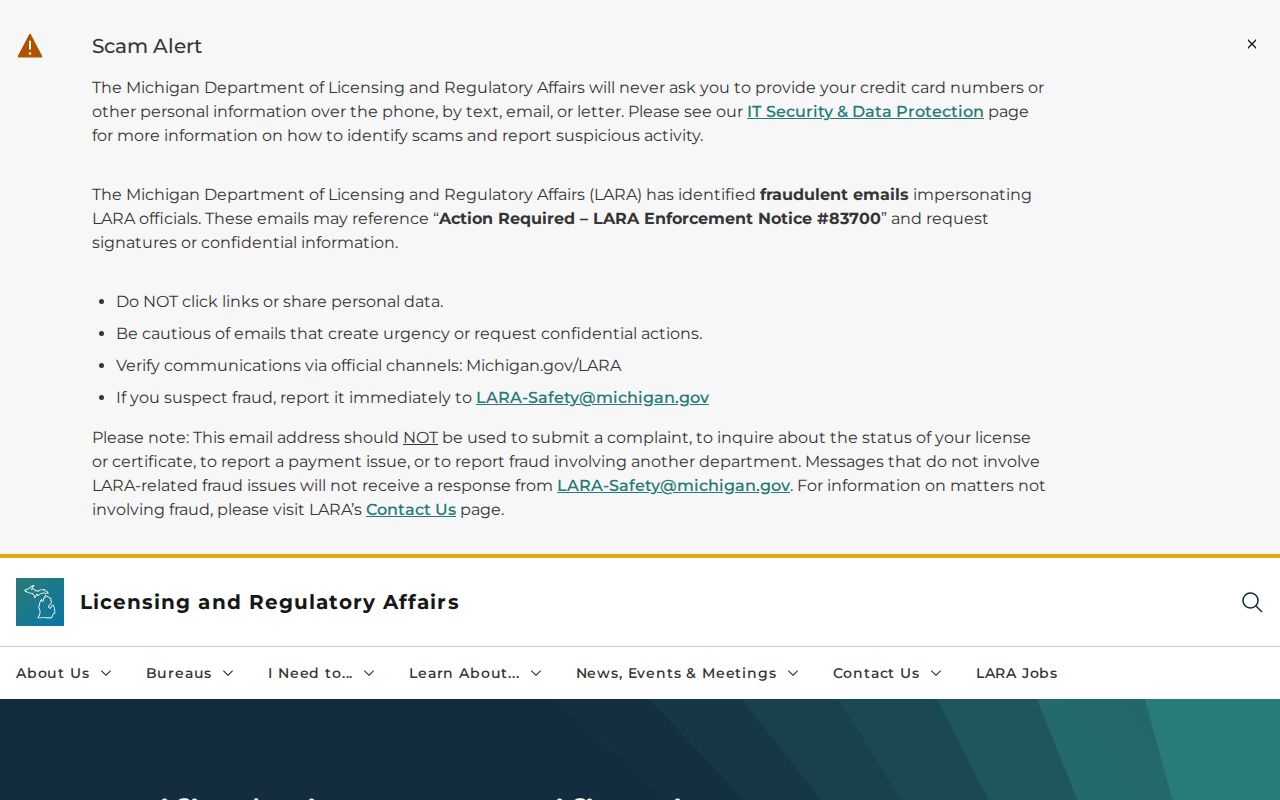
Match any professional-license result against the license type and the record date before relying on it. A certified verification runs through MiPLUS, a separate process from the basic public search.
Flint Township Registry Record Checks
The Michigan State Police Sex Offender Registry gives several ways in. Name, registration number, MDOC number, and address searches are all offered, along with a neighborhood map and listed radius choices. The records carry statutory-use limits and exclusions of their own. The registry itself warns that juvenile and victim information stays out of public view, so treat it as a lookup tool rather than identity proof or a complete history.
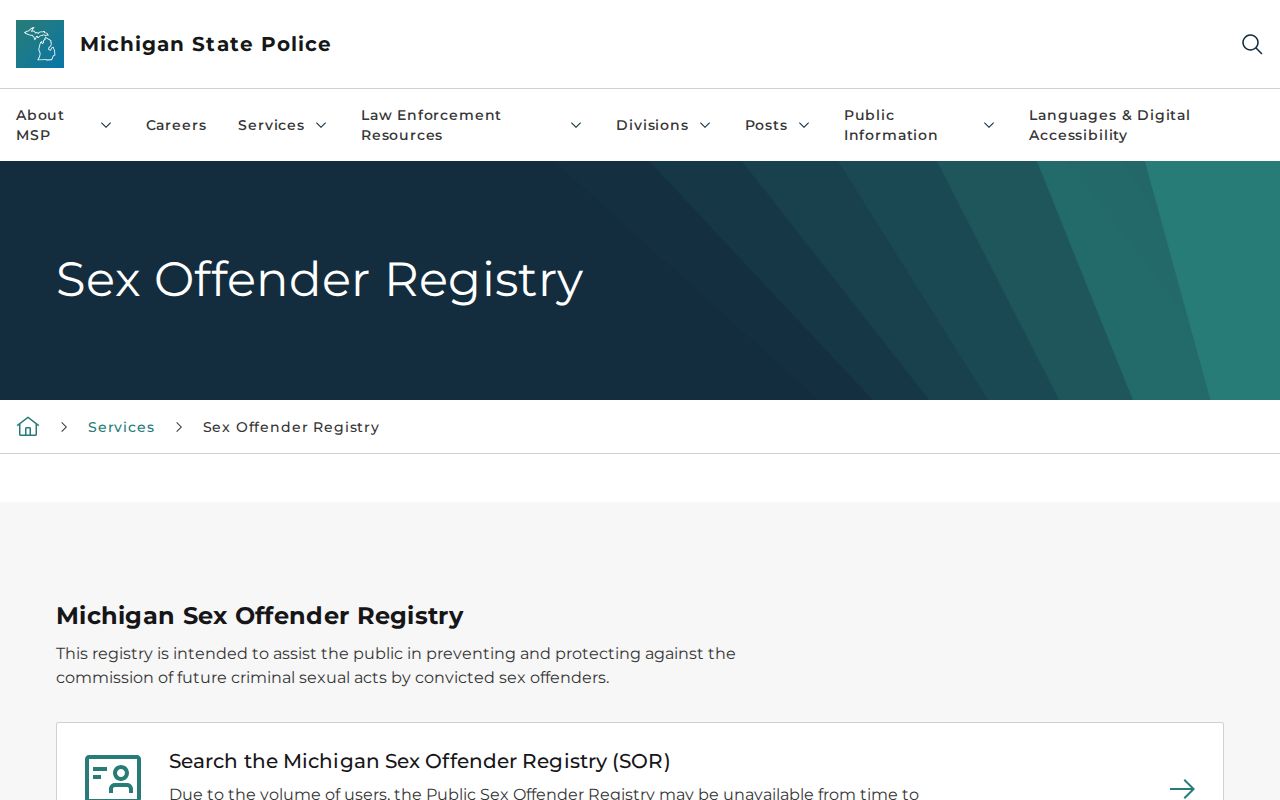
A record can show registration details and identifying fields that demand careful matching. Confirm a name with the responsible agency. Never infer facts the registry does not publish.
Flint Township Custody Records
The Genesee County Sheriff Corrections Division is the local contact for county-jail information. The division posts no online jail roster. For a current custody question, call inmate information at 810-257-3426 and ask what may be released and through what procedure. Michigan OTIS is a separate state system covering prisoners, parolees, probationers, and certain recently discharged people. It does not replace the county jail contact.
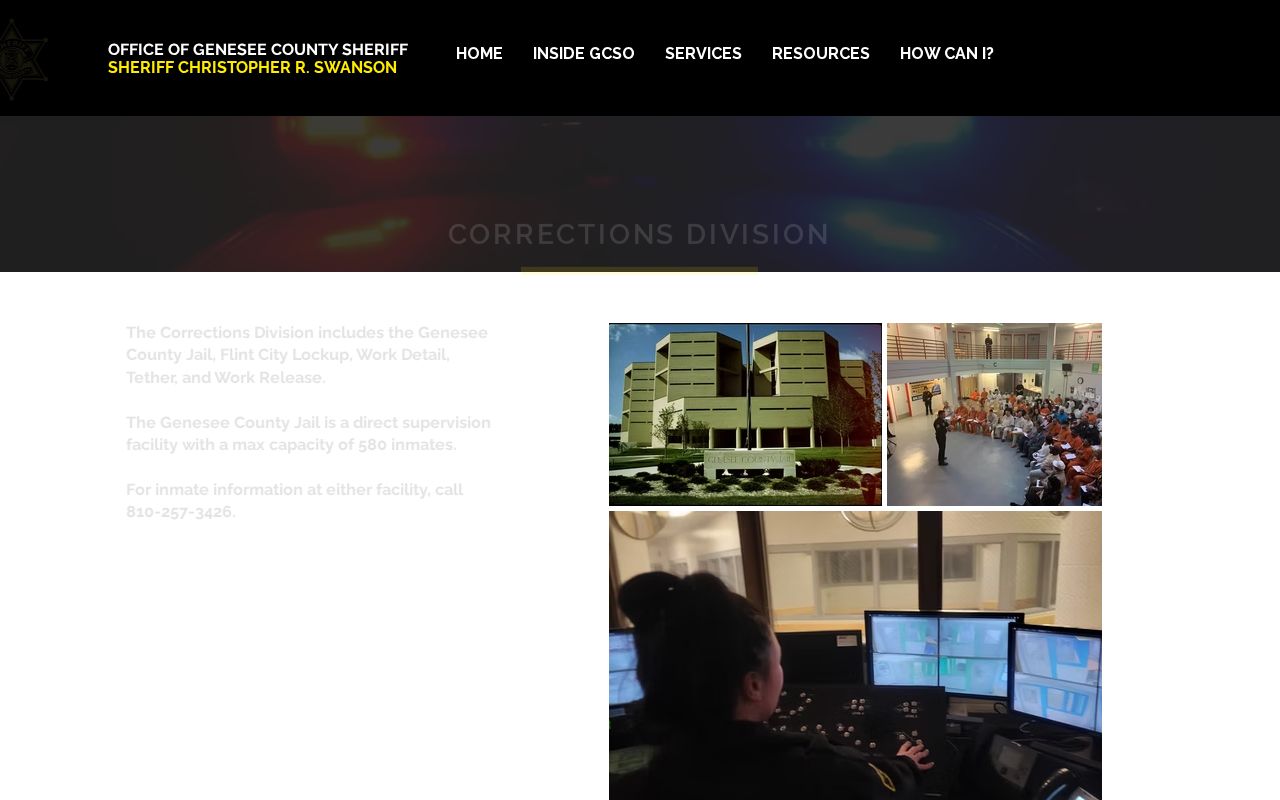
Treat the corrections page as an official contact route. It is not a household or address record. A name that appears in any corrections system needs independent confirmation before it is pinned to a particular person.
Flint Township Records at Scale
Scale explains the search etiquette here. One county procurement background put the volume at roughly 85,000 recorded documents. And it put certified copies at 35,000 a year. Numbers like those are why a narrow name, parcel, document number, or date range matters. A request reaching the Register of Deeds or another Genesee custodian moves faster that way. The figure proves nothing else. It does not set a searchable count for one resident. It does not promise that every historic item is online.
Genesee's public notice spells out the gaps. Records before 1983 are not accessible online. Deed books 1736 through 1772 have images but no index. A person search that stalls at the web portal may need a counter visit. It may need a historical index, a subscription service, or a copy request instead.
Flint Township Resident Lookup Limits
Michigan walls off a good deal of resident data. Voter-file exemptions cover driver-license and state-ID numbers, month and day of birth, phone, email, digitized signatures, and other listed fields. Many protected case types sit outside public court records. DMV data is protected. Utility and delivery records are not public resident indexes. The Michigan Address Confidentiality Program gives eligible people facing qualifying threats a substitute address with mail forwarding, and that substitute address should never be reverse-engineered from other records.
Lawful use. Use a Flint Township resident lookup for personal, lawful research such as family history, an estate matter, or checking a public record. Michigan stalking laws prohibit repeated harassment or intimidation, so stop when a record is restricted or contact would be unwanted.
Flint Township Record Request Fallbacks
A web search may not surface the public record you need. Name the custodian first. The Register handles recorded land instruments, and the township assessor corrects assessment or parcel issues. Court clerks manage dockets and copies. MDOS fixes voter records. MDHHS amends vital records, and LARA sorts out entity or license corrections. Keep the source URL, the record number, the date range, and the exact field in question. Flint Township Clerk forms open a local route for municipal public-record requests. The Michigan Freedom of Information Act, MCL 15.231 et seq., generally requires a response within five business days. A public body may also issue a written ten-business-day extension. A focused request for a defined record, date range, and format beats a demand for everything tied to a name.
Note: A clerk can identify the correct copy process without disclosing a field the law keeps confidential.